Managing Hygiene for Music Festival Toilets and Bathroom Facilities.
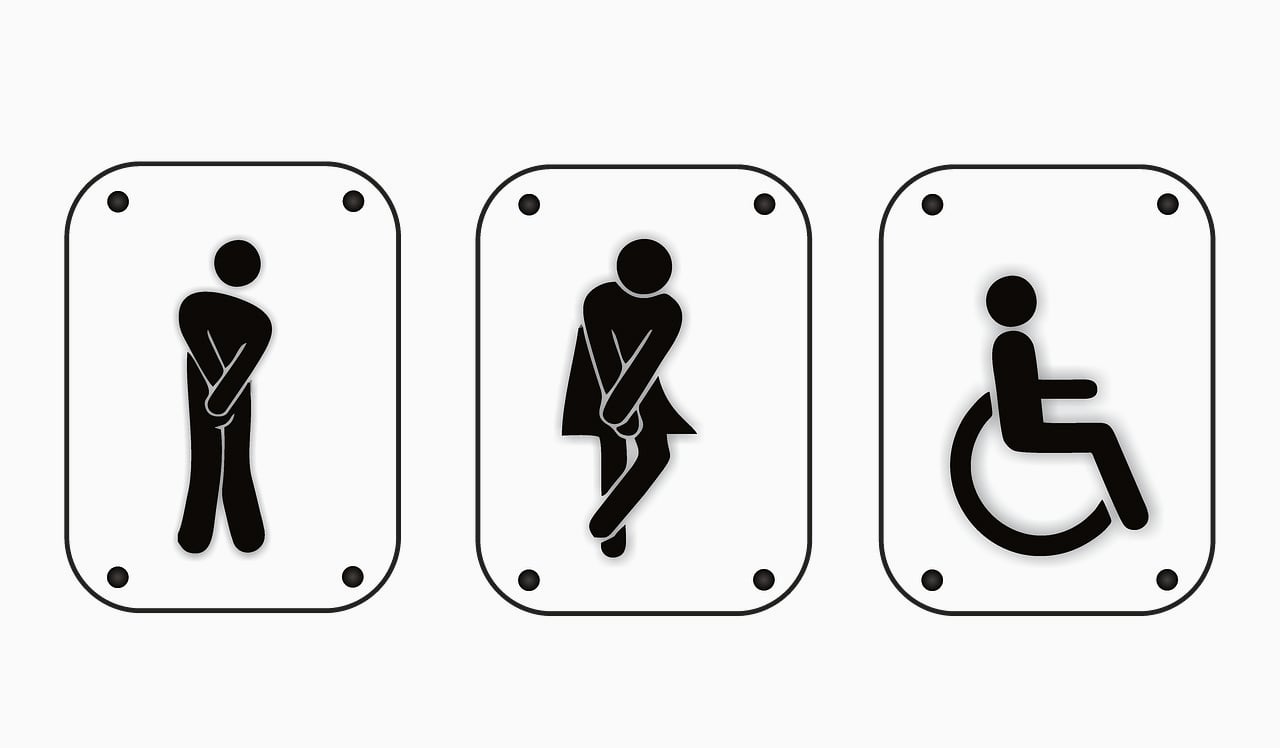
For a large-scale music festival located on a greenfield site, the provision of hygienic toilet and bathroom facilities that match festival-goer numbers is essential. The cleanliness and available capacity always feature high on customer complaints about festivals and can easily leak into the public domain. How can organisers plan and manage the provision of hygienic facilities.
The provision of adequate toilet and bathroom facilities that are hygienic is not the most glamorous topic for festival organisers to manage, but it is mission critical to an event’s overall success. Hygienic facilities help to protect the festival brand reputation and with the assistance of emerging technology can meet sustainability objectives too. What are the key factors organisers should consider when planning for the provision of hygienic toilet and bathroom facilities for their festival-goers.
Sanitation Strategy.
Early in the planning phase of a festival a key consideration are the number and type of toilets that will be booked. This is an opportunity to select the most hygienic option available, which also requires less regular cleaning. The preferable options currently available include vacuum/low water toilets and urinals, especially female urinals (like Lapee), with traditional portable chemical toilets being the most difficult to keep clean because they require high levels of maintenance. Other considerations are the provision of free high-quality organic menstrual products in all bathrooms (including gender-neutral and male blocks) which is now a standard ESG metric. Any contractor tasked with providing toilet and bathroom facilities will usually supply toilet emptying services during a busy event. These contractors need to coordinate with festival staff and volunteers who are assigned cleaning duties to flag any issues (overflow and blockages for example).
Logistics Planning.
Most festival organisers use a commonly recognised formula for calculating the number of toilet facilities they will need based on expected capacity. The ratio is usually 1 toilet per 75 women and 1 toilet per 100 men with an increase of 20% for alcohol heavy events. Placement of facilities will be done using the festival site plan with a good spread throughout the site. The logical placement will put toilet facilities near stages, food and beverage zones, campsites, and exits for example. During the volunteer recruitment phase, organisers will need to ensure that sufficient numbers of people are available to perform toilet and bathroom cleaning duties to ensure that hygiene levels are maintained throughout the festival’s duration.
Cleaning.
Where festival organisers have not recruited sufficient numbers of volunteers or they have gone AWOL during the event, the toilet and bathroom cleaning duties can be neglected. Many volunteers will attempt to avoid the cleaning duty so it can be problematic. Modern hygienic standards require facilities to be cleaned at least once every 3 or 4 hours. Even if toilets are regularly emptied by contractors, they still need thorough cleaning which can include a full bowl scrub, seat and lid wipe, floor clean, fresh chemicals (not topped up) and the re-stocking of consumables. Other facilities that must be regularly checked can include toilet paper supplies, hand sanitiser, hand washing stations, and feminine hygiene bins.
Technological Solutions.
There are emerging technology solutions that can assist festival organisers with maintaining high levels of hygiene for their toilet and bathroom facilities. Using a simple QR code on every toilet allows festival-goers to scan and initiate a report of any issues for crews to attend and resolve. Some contractors now install facilities fitted with ammonia ($NH_3$) and VOC (Volatile Organic Compound) sensors, so organisers can be notified with a cleaning alert if thresholds are exceeded. It is now possible to install smart dispensers of toilet paper and sanitiser so staff are alerted when levels get low. Many facilities also include hands-free sensors to trigger dispensing soap, water taps, flushing, and entry/exit. This maintains high levels of hygiene as users do not need to touch any contaminated surfaces. Manufactures of temporary toilet and bathroom facilities are increasingly using vacuum rather than water to flush waste as an alternative and are popular installations for VIP zones. For regular festival-goers most installations now consist of a dry separation system for composting which uses natural materials like sawdust or coconut husk to eliminate odors without the need for chemicals.
For festival organisers planning their next event using a software management platform like Festival Pro gives them all the functionality they need manage every aspect of their event logistics. The guys who are responsible for this software have been in the front line of event management for many years and the features are built from that experience and are performance artists themselves. The Festival Pro platform is easy to use and has comprehensive features with specific modules for managing artists, contractors, venues/stages, vendors, volunteers, sponsors, guestlists, ticketing, site planning, cashless payments and contactless ordering.
Image by mariananbu via Pixabay
<< Back to articles
Contact us
Get in touch to discuss your requirements.
US: +1 424 485 0220 (USA)
UK: +44 207 060 2666 (United Kingdom)
AU: +61 (2) 8357 0793 (Australia)
NZ: +64 (0)9887 8005 (New Zealand)